The Childhood We Never Really Leave Behind

Most people believe childhood is something we outgrow. We graduate, build careers, raise families, and convince ourselves that the difficult moments we experienced decades ago are safely behind us.
But are they?
The truth is that many of the decisions we make as adults are quietly influenced by experiences we barely remember. A harsh teacher, relentless bullying, the feeling of never fitting in, or the desire to be accepted can shape our confidence, relationships, ambitions, and even our sense of right and wrong.
Some people spend their entire lives trying to prove they are no longer the person they once were.
Others become exactly what their childhood created.
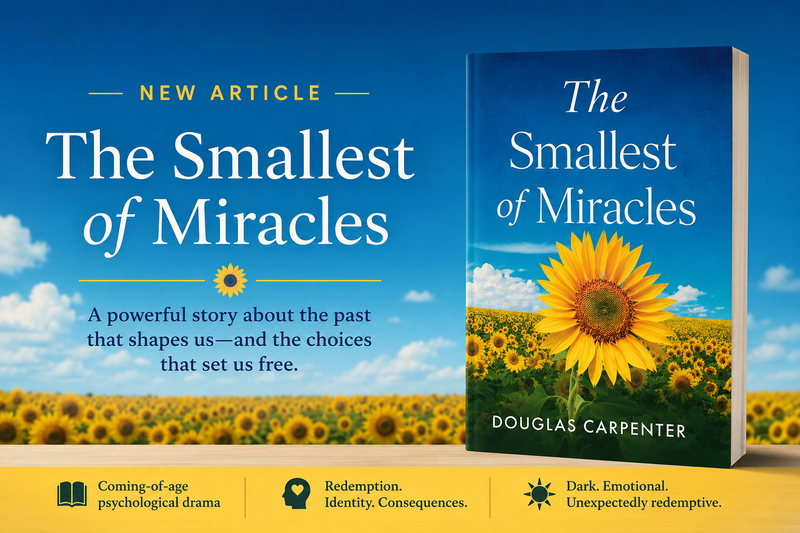
This is one of the central questions explored in The Smallest of Miracles.
At first glance, the novel follows Ted Carrington, a billionaire philanthropist returning to the private elementary school he once attended. On the surface, he appears to be making a generous donation to save the struggling school. But beneath that charitable gesture lies a far more personal mission—one rooted in memories that never truly disappeared.
As a child, Ted was different. Socially awkward, frequently overlooked, and desperate to belong, he struggled to find his place. Like many children who experience rejection, his pain slowly transformed into something darker. Instead of simply enduring cruelty, he eventually learned how to inflict it on others.
That uncomfortable truth makes his story feel remarkably human.
Life is rarely divided into heroes and villains. Most of us have made choices we regret, acted out of fear, insecurity, or pride, and later wondered what might have happened if someone had shown us a little more understanding—or if we had offered that understanding to someone else.
For readers between 30 and 55, these themes often resonate deeply because life eventually teaches us that success doesn't erase the past. Career achievements, financial stability, and public admiration cannot always silence old memories or unresolved guilt.
What makes The Smallest of Miracles compelling is that it isn't simply about revenge or exposing hidden secrets. It asks a more difficult question:
Can people truly change after becoming the very person they once feared?
The novel explores leadership, power, manipulation, accountability, and redemption without offering easy answers. Every character carries hidden burdens, forcing readers to consider how their own past experiences have influenced the people they became.
Whether you've ever struggled with self-worth, experienced bullying, questioned your own decisions, or wondered how much of your childhood still shapes your adult life, this story offers far more than suspense. It invites reflection.
Perhaps the smallest miracles in life aren't dramatic events at all.
Perhaps they're the quiet moments when someone chooses forgiveness over resentment, compassion over judgment, or growth over repeating the mistakes of the past.
Sometimes changing the future begins by finally understanding the child we once were.

Comments
No comments yet. Be the first to comment!